Company and Product

Since 2012, Benchling has given free access to more than 200,000 scientists across 7,500+ universities and research institutions — because the science that changes how we treat disease, grow food, and understand biology and chemistry starts in academia.
Today, that means academic researchers get the same platform biotech and pharma teams run on, including cutting-edge molecular biology tools, collaborative lab notebooks, and the AI tools shaping how research gets done.
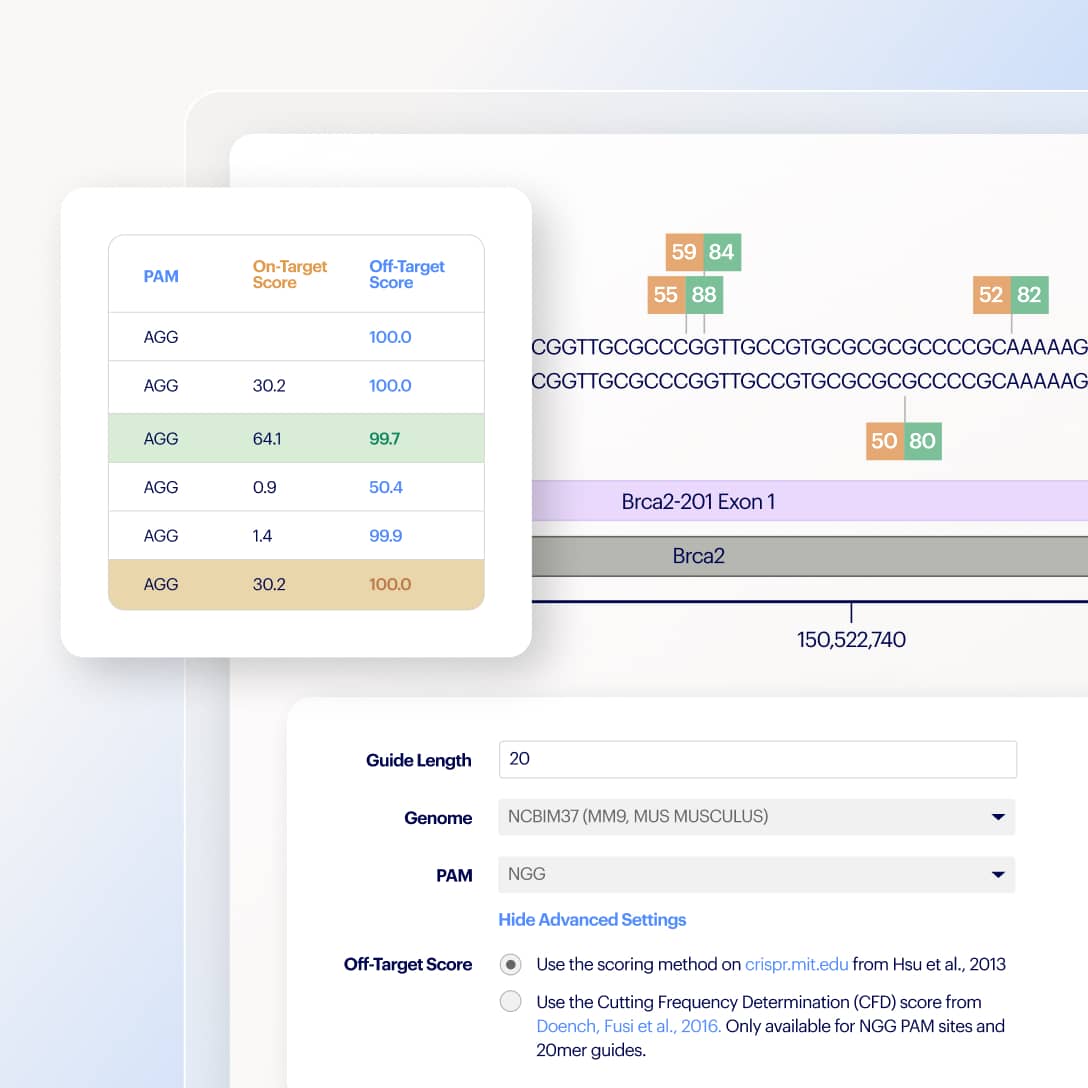
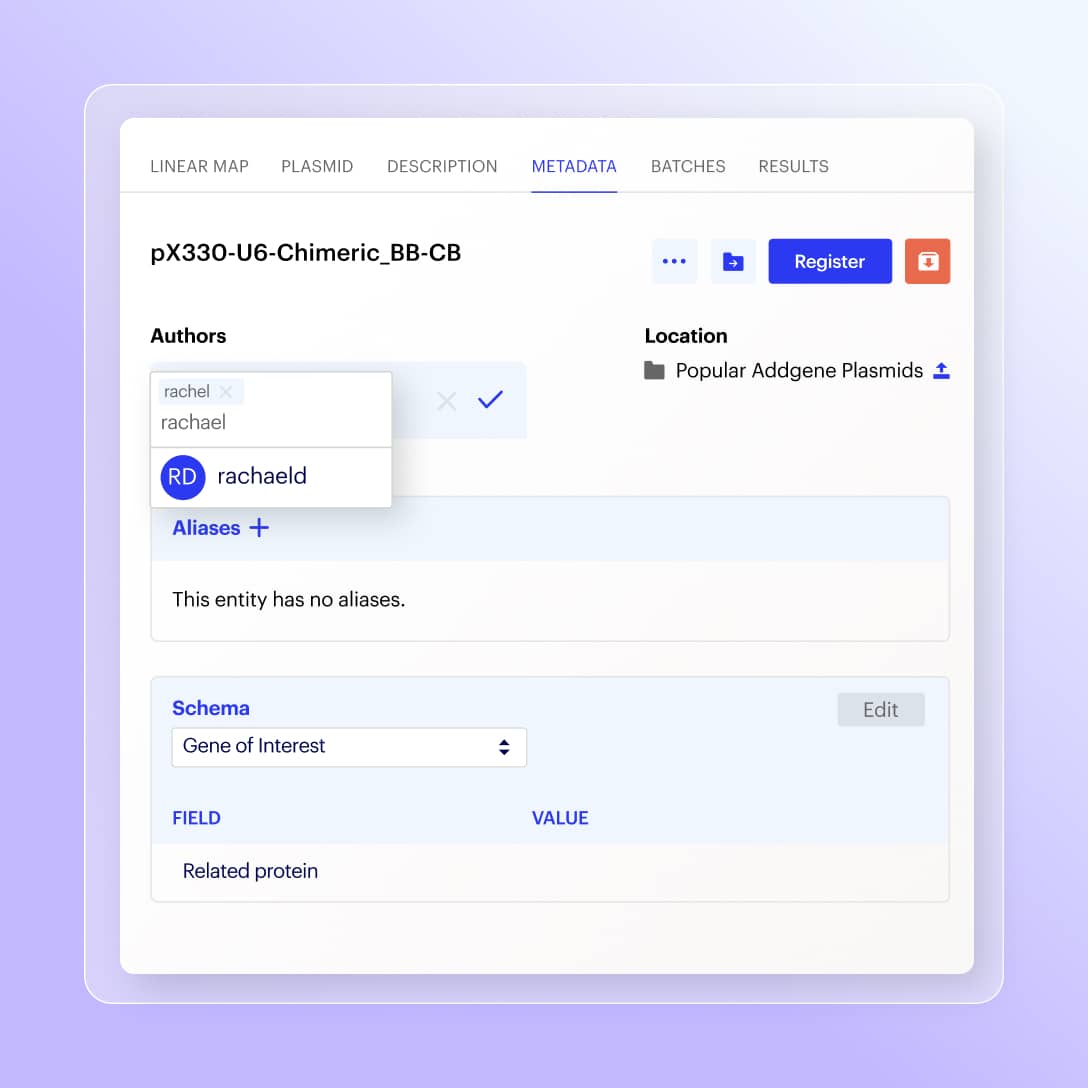
Access CRISPR, cloning, alignments, primer design, and structure prediction models in one interface. Design and analyze sequences the same way biotech and pharma teams do, and link everything straight back to your protocols and results.
Your notebook entries, sequences, and results live in one connected system, not scattered across separate tools. Everything is backed up and timestamped, so your lab's knowledge stays even when someone graduates or moves on.
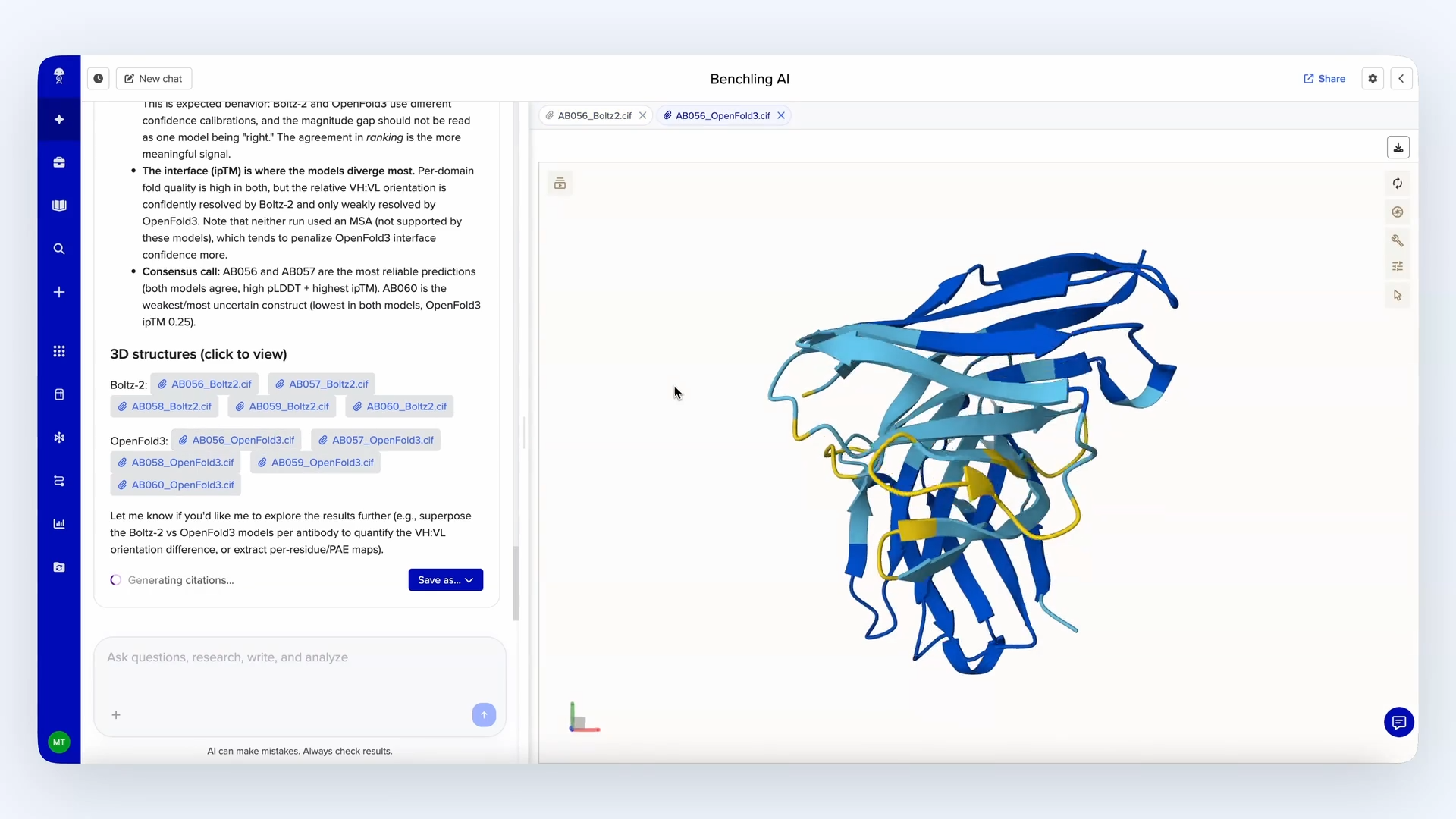
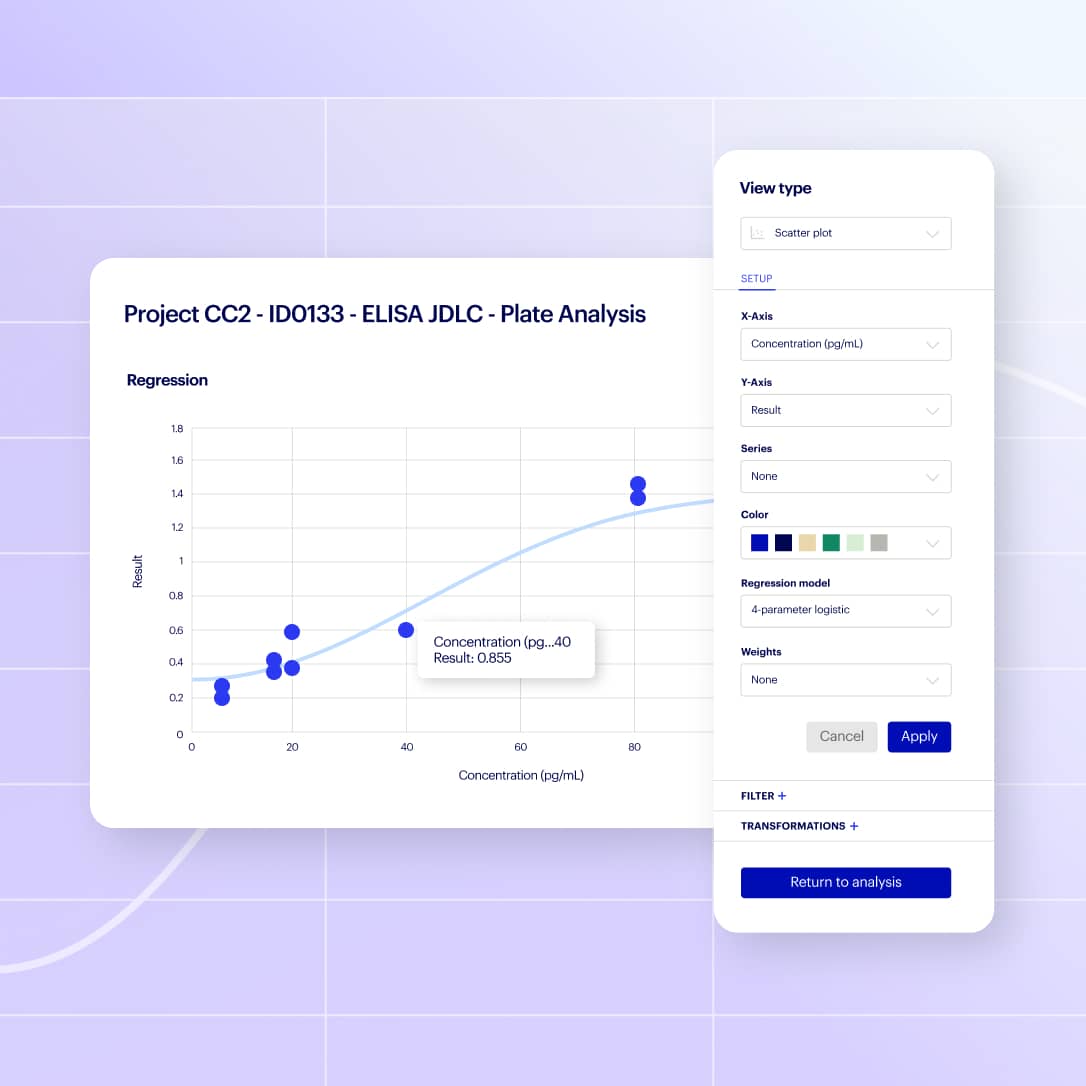
Get answers grounded in your actual research data, with citations back to the source experiment. Run analysis that would normally take hours, powered by AI tools that know your lab's work.

More than a digital version of paper. Centralize all of your data — spreadsheets, image files, sequences, protocols, and notes. Log your experiments through automatic timestamps and version histories. Create lab templates for experiments to ensure that data collection is always uniform.
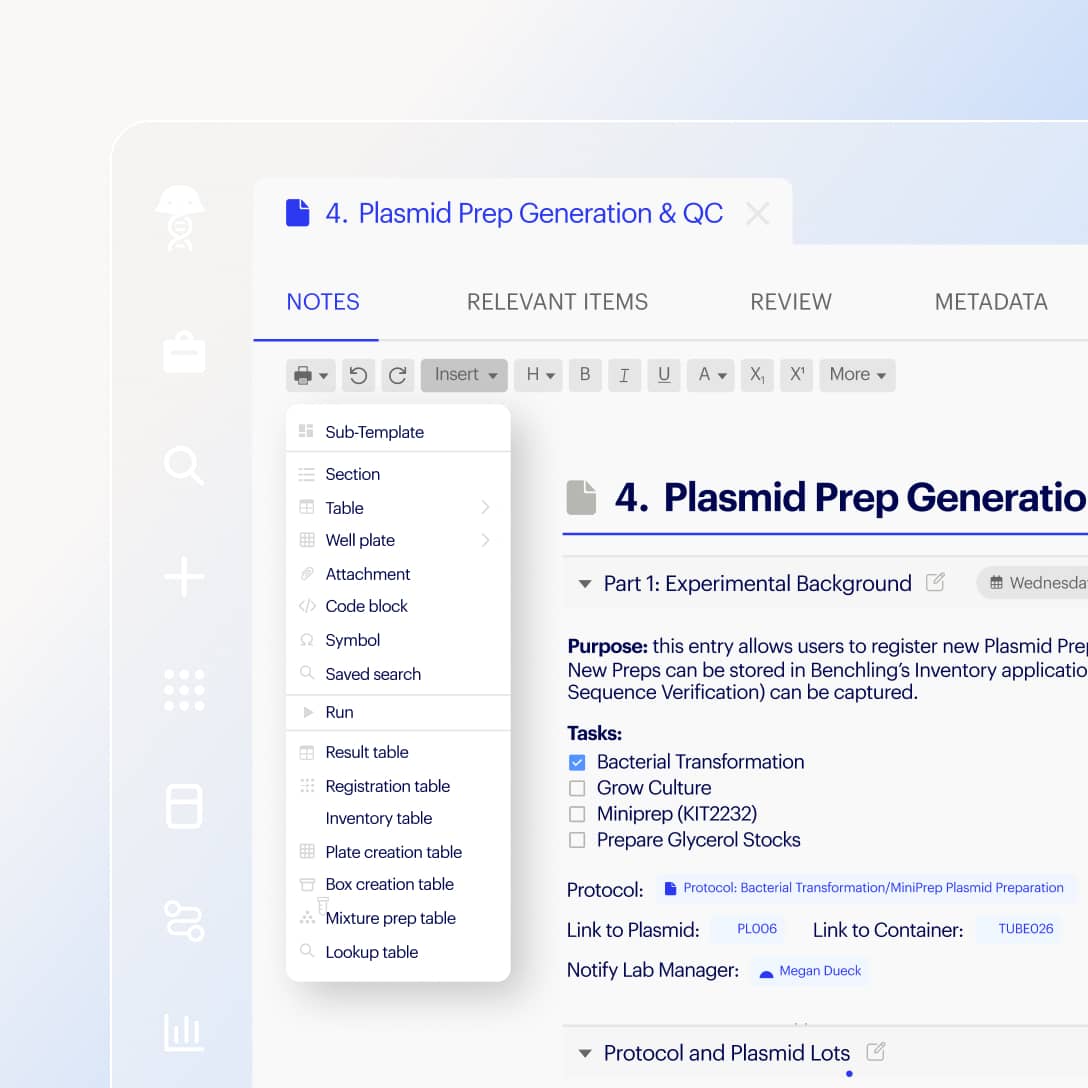
A full sequence visualization and design suite, with 10+ tools. Access CRISPR, cloning, alignments, primer design, and auto-annotation. Link your sequences directly to Notebook, or share them with your lab and collaborators.
Collect, organize, and share your experimental data — from protocols to DNA sequences — through Projects on Benchling. Adding lab mates, PIs, or external collaborators is simple and direct, and you can customize the access permissions given to others. Organize by lab group, class, or research community.
Ask questions about your own research and get answers grounded in your actual data. Benchling AI can summarize weeks of notebook entries, turn scattered results into a clean report, and clean up messy legacy data, all from one chat interface, with citations back to the source entry so you can verify everything. It's free to try for verified academic accounts

We use Benchling to share data with other project members and collaborators. It’s an easier way to search notebooks and share sequencing data, plasmids, or protocols.
Resnick Prize Postdoctoral Scholar, Frances Arnold Lab, Caltech










Yes. Benchling offers an academic plan free of charge, built around the tools academic researchers use most. Sign up here.
The free academic plan includes Notebook and Molecular Biology, giving your lab a connected system for documentation, sequence design, and collaboration.
Our Inventory and Registry products were built for industry requirements, not academic. Much of the functionality assumes that the users will be operating in a structured, consistent, and private environment. That's compared to how many of our academic users shift users frequently, change data formats often, and require unstructured external collaboration, making the industry platform a less-than-ideal fit.
Yes, you can continue using the product, but our industry paid product offers additional power and scale for R&D teams as they grow and their needs get more complex including security, collaboration, and structured data. For teams that are just getting started, you can learn more about Benchling for Startups here.
Benchling's Molecular Biology suite includes CRISPR design alongside cloning, alignment, and primer design in one interface, so guide RNA design links directly to the rest of your sequence work. Free for academic labs.
Most labs use dedicated primer design software rather than doing it by hand. Benchling's primer design tool is built into the same suite as cloning and alignment, so your primers stay linked to the sequences they're designed against.
Today, AI agents in tools like Benchling can reliably summarize weeks of Notebook entries into a report, organize messy legacy data, and answer questions about your own experiments with citations back to the source. They don't generate new hypotheses or replace your analysis. Free to try for verified academic accounts. Learn more about Benchling AI.